
By Dionna Reynolds, Estate Planning Attorney
When people think about estate planning, one of the first questions they ask is:
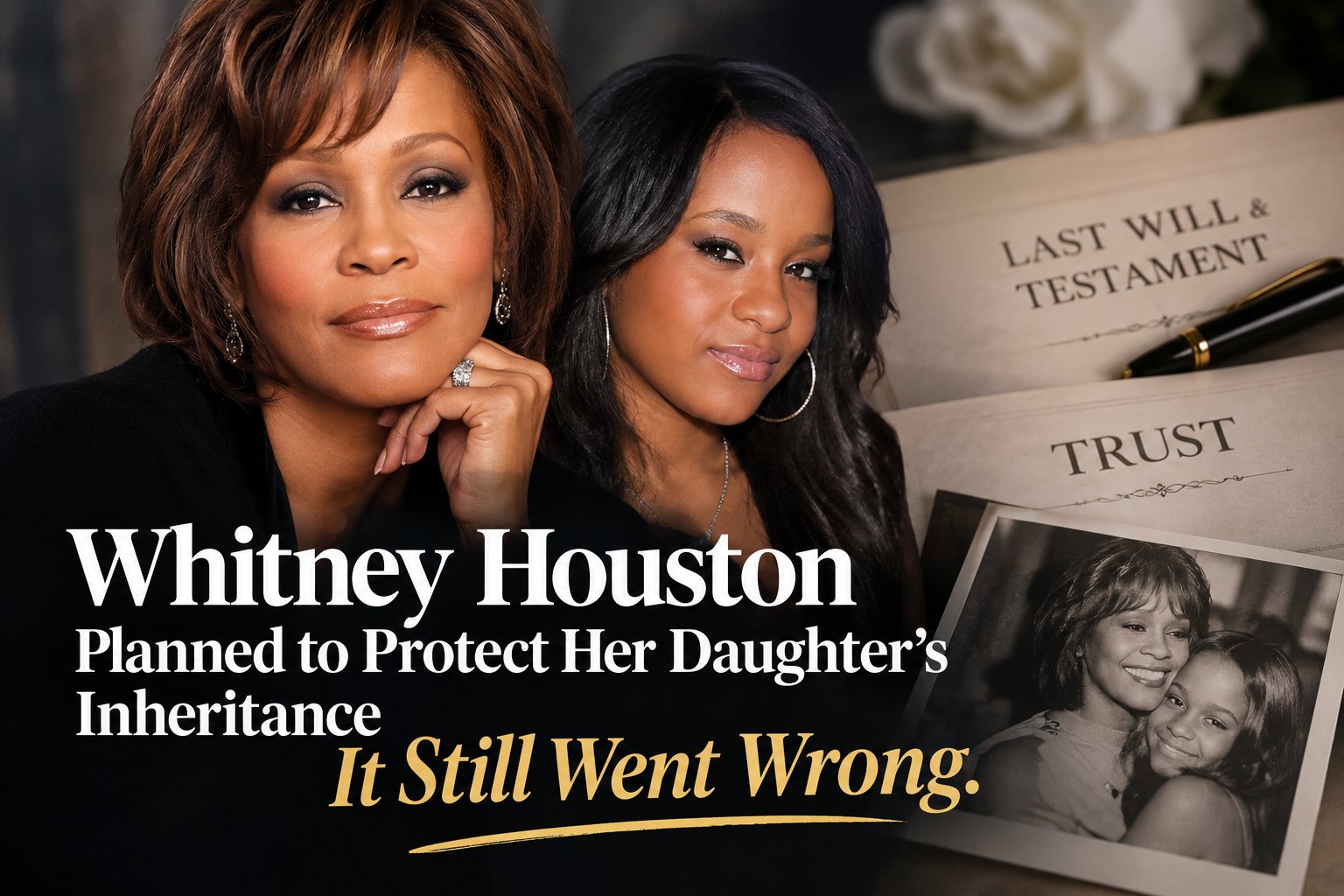
When Whitney Houston died in 2012, she left behind a fortune — and something most people never bother to create: a plan. She had a will. She had set up a trust for her only daughter, Bobbi Kristina. On paper, she did more than most parents ever do.
And it still went wrong.
I come back to this story again and again, because it teaches something uncomfortable: having a plan isn’t the same as having the right plan. Here’s what happened, and what every family can learn from it.
Prefer to watch? Here’s the 60-second version: Watch on YouTube
What Whitney Did Right
Whitney didn’t leave her daughter a giant pile of cash to receive all at once. She was smarter than that. Her will set up a trust that released the money to Bobbi Kristina in stages, tied to her age:
- At 21: about 10% of the estate — roughly $2 million
- At 25: another portion
- At 30: the rest
This is a genuinely good instinct. Handing a young person millions of dollars overnight rarely ends well. By spacing it out, Whitney was trying to protect her daughter from the money — and from the people who tend to appear when there’s money. That part was wise.
What Still Went Wrong
Bobbi Kristina received her first payment at 21. She died the next year, at just 22 — unmarried, with no children, and no will of her own.
Because she had no will, the law decided where everything went. The remaining millions didn’t go where many assumed they might. They passed, under the rules of intestacy, to Whitney’s mother and brothers.
There were other cracks, too:
- The will hadn’t been meaningfully updated since 1993 — before Whitney’s divorce, before so much had changed. An old plan is often a mismatched plan.
- The trust was a testamentary trust, created through the will, which meant it went through probate and became part of the public record. The family’s private business played out in the news.
- The trustees felt Bobbi Kristina was receiving too much, too young, and tried to change the terms. They couldn’t.
The Lesson for Your Family
You don’t need Whitney Houston’s fortune for any of this to apply to you. The lessons are the same whether your estate is $20,000 or $20 million:
1. A plan is only as good as its last update. Life changes — divorces, births, deaths, fallings-out. Your plan has to change with it. A will written for the life you had ten years ago may not fit the life you have now.
2. Think one step past the obvious. Whitney planned for her daughter. But she didn’t fully plan for what happens if her daughter was gone too. Always ask: and then what? Name backups. Name contingencies.
3. The people you leave behind inherit your decisions — good and bad. A clear, current plan is a gift. It lets your family grieve instead of fight.
Whitney did more than most. And it still wasn’t enough — because the details, and the updates, are where estates are won or lost.
Don’t let your family end up a cautionary tale. I put together a free guide — 5 Estate Mistakes That Tear Families Apart — that walks through the small, preventable things that turn love into a lawsuit. Grab it here.This article is for general educational purposes and is not legal advice. For guidance on your specific situation, consult a licensed attorney in your state.